
Published: Oct 26, 2026 | 08:30 am
By: Hugo Echeverría
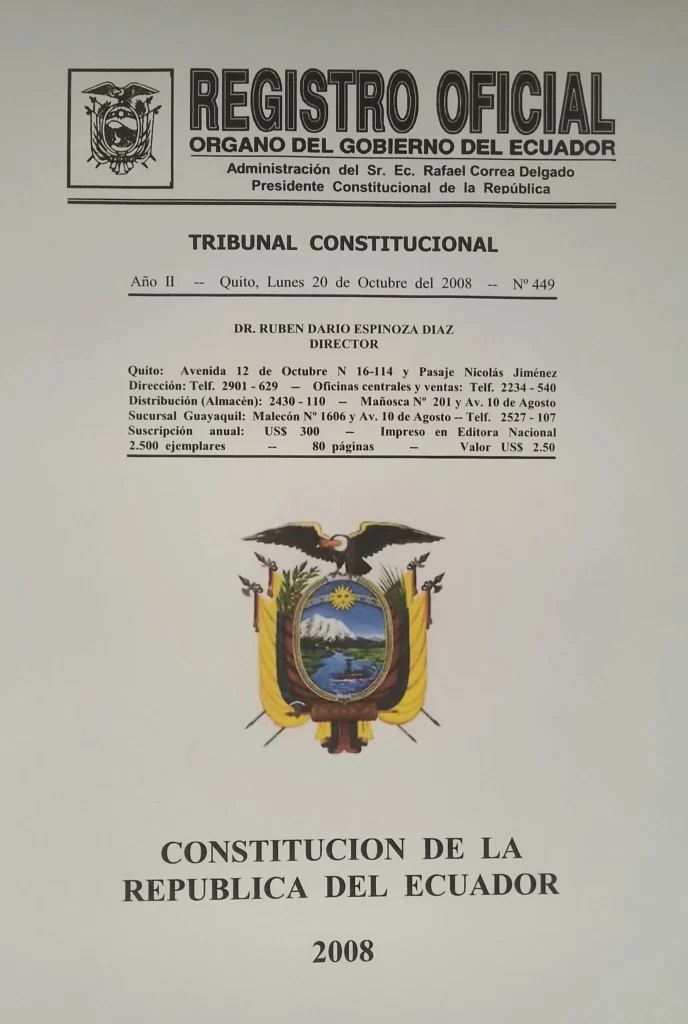
Eighteen years ago, Ecuador decided to forever change the relationship between law and Nature: on October 20, 2008, the first Constitution in the world that recognizes Nature as a subject of rights came into force.
Eighteen years later, Ecuador has a unique experience enforcing these new rights. Despite its civil law tradition, the content of the rights of Nature has been shaped by jurisprudence. It has not been an easy task, but it is one in progress.
The Ecuadorian model characterizes the rights of Nature as autonomous, interdependent, and effective:
- In Ecuador, the rights of Nature are not an appendix of environmental rights or any other constitutional right; rather, these are autonomous rights due to their titularity (Nature), purpose (respect and not only protection), and axiological basis (intrinsic value and not only economic value as a natural resource).
- The rights of Nature are a consequence, inter alia, of the chronic ineffectiveness of other legal disciplines in addressing environmental challenges. The case of the Machángara River reflects this reality: not so long ago, this river was clean and was an important place for meeting and recreation. Today it is a highly polluted river and a place not suitable for any human activity. Neither the Civil Code, nor the Water Law, nor the Environmental Law prevented the environmental damage accumulated over decades. In 2024, the river won an unprecedented case based on the rights of Nature, and today its restoration is in the initial phase.
- The rights of Nature are not intended to stop development; rather, they are intended to achieve a “truly sustainable” development: this is how the Inter-American Court of Human Rights explains it in Advisory Opinion OC-32/25. It is a matter of doing things right; of doing things better. The Constitutional Court of Ecuador issued jurisprudence aimed at ensuring that public decision-making substantially integrates Nature, thus transcending the administrative approach of environmental laws and regulations. Thus, for example: (i) regulations that sought to expand the industrial aquaculture frontier to the detriment of the mangrove ecosystem, were expelled out of the legal system; (ii) regulations that sought to divert the course of rivers, without a prior legal framework, were also expelled out; (iii) environmental administrative authorizations incompatible with integral respect for Nature were revoked; and (iv) animals were declared as subjects of rights, building a bridge between the rights of Nature and Animal Law.
- The rights of Nature do not debilitate human rights. Quite the opposite: the rights of Nature strengthen them. This is how the Constitutional Court of Ecuador understood it when it maintained the constitutionality of a law prohibiting industrial fishing in the first eight miles of territorial sea, an area reserved for artisanal fishing; and, also, an area protecting the migration route of emblematic marine species, such as the humpback whale. Fishermen and whales protected by the rights of Nature, showing that unity is strength. This, perhaps, is the most important lesson of the Ecuadorian model: the Constitutional Court of Ecuador calls it complementarity; and the Inter-American Court of Human Rights calls it interdependence.
In Ecuador, the rights of Nature turn to age not without controversy: in 2025 a referendum attempt to debilitate their constitutional status was unsuccessful. It seems that Ecuadorian voters, mostly young, value Nature to a high degree.
The rights of Nature are not perfect nor do they offer immediate change: nothing is immediate in law. There are strengths and weakness in their application. Nevertheless, the rights of Nature persist in Ecuador and are following the course of those ideas that arrive to stay. The same is happening in the world: right now, the UN is analyzing an initiative to adopt a Universal Declaration of the Rights of Nature. Last year, the Inter-American Court of Human Rights recognized Nature as a subject of rights. And, for years, many countries – from different legal traditions – have adopted this new concept through law or jurisprudence.
We live in a world of a triple environmental crisis. The rights of Nature can contribute to better addressing this crisis. Perhaps it is time to innovate and not continue stumbling on the same rock.
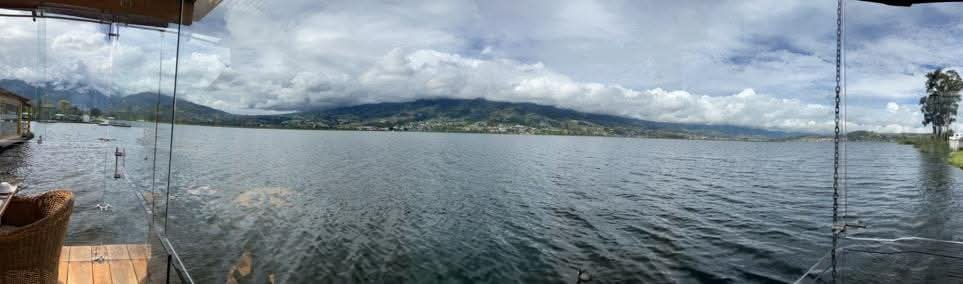
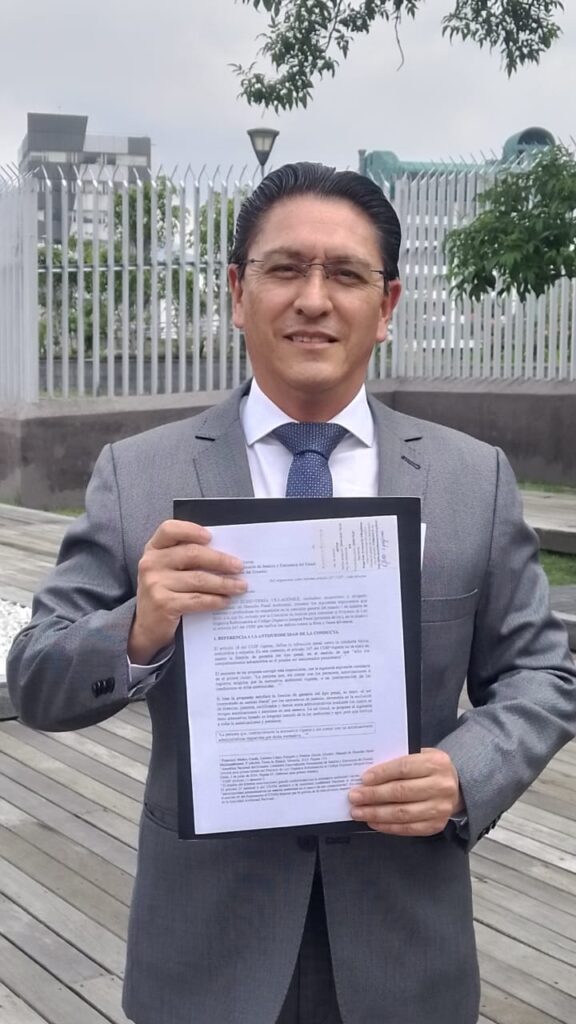
*The photos show years of work pro Natura: an experience I would gladly repeat. Without a doubt.